




What is the Best Material for Core Drill Bits? A Comprehensive Guide
Core drill bits, also known as annular cutters, are essential tools for creating precise holes in various materials. Unlike standard twist drills that remove all the material in the drilling area, core drills cut only the periphery, leaving a solid core or plug intact. This design reduces the required power and increases cutting efficiency. However, the performance and longevity of a core drill bit depend almost entirely on one critical factor: the material from which it is made.
Selecting the right core drill bit material is not a one-size-fits-all decision. The "best" material is always relative to the material you intend to drill. Using the wrong bit can lead to poor performance, damaged equipment, or even dangerous working conditions. This article explores the primary materials used in core drill bits, their unique properties, and the applications for which they are best suited.
1. Diamond: The King of Hard Materials
When it comes to drilling the hardest materials found in construction and geology, diamond is the undisputed champion. Diamond core bits are not made of solid diamond; instead, they consist of a steel tube with industrial-grade diamonds bonded to the cutting rim.
How it Works:
There are two main methods for bonding diamonds to the bit:
- Sintered (or Impregnated): Diamond particles are mixed with metal powder and bonded to the steel body under high pressure and temperature. As the bit rotates, the metal matrix wears away gradually, constantly exposing fresh, sharp diamond crystals. This type is ideal for hard, abrasive materials like reinforced concrete, granite, and hard stone.
- Electroplated: A single layer of diamond particles is bonded to the steel tube using a nickel plating process. These bits are very sharp and cut quickly but have a shorter lifespan, as the diamonds can pull out once the single layer wears. They are best suited for softer materials in this category, like tile, glass, and fiberglass.
Best Applications:
- Reinforced concrete
- Granite, marble, and natural stone
- Ceramic and porcelain tile
- Glass and composites
Advantages: Unmatched hardness, excellent for brittle and abrasive materials, produces clean, precise cuts.
Disadvantages: High cost, not suitable for soft metals or wood (can cause clogging and overheating).
2. Tungsten Carbide: The Versatile Performer
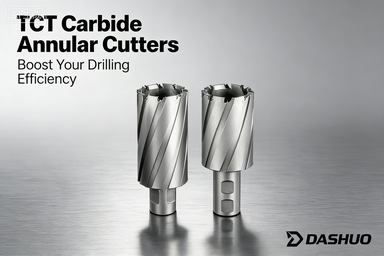
Tungsten carbide is a incredibly hard and dense material made by bonding tungsten carbide particles with a metal binder, typically cobalt. In core drill bits, carbide is usually used for the teeth or cutting tips. These tips are brazed or welded onto the body of a steel bit.
How it Works:
Carbide-tipped core bits cut by shearing the material. The sharp, hard tips dig into the surface, scraping and cutting their way through. They are exceptionally durable and can withstand high heat and friction. Unlike diamond, carbide is not typically "consumed" in the same way during drilling, though the tips can become dull and may need sharpening over time.
Best Applications:
- Soft to medium-hard stone (like limestone and sandstone)
- Brick and block work
- Asphalt
- Plasterboard and fiber cement
- Some non-ferrous metals (like aluminum and brass)
Advantages: Extremely durable, faster cutting in softer masonry than diamond, longer lifespan than high-speed steel (HSS) in abrasive materials, can often be resharpened.
Disadvantages: Can struggle with very hard, aggregate-filled concrete; more brittle than steel, so tips can chip if misused.
3. High-Speed Steel (HSS): The Metal Specialist
High-Speed Steel is a robust alloy steel known for its ability to withstand high temperatures without losing its hardness (temper). HSS core drill bits, often referred to as annular cutters in metalworking, are specifically designed for drilling metals.
How it Works:
HSS core drills are precision-ground tools with a toothed cutting edge. They are used with a pilot pin to maintain accuracy. The teeth shear through the metal, creating a clean, burr-free hole. The cobalt alloy variant (HSS-Co or M42) contains additional cobalt, which further enhances its heat resistance and hardness, making it suitable for tougher materials.
Best Applications:
- Steel (structural steel, mild steel)
- Stainless steel (requires cobalt alloy)
- Cast iron
- Non-ferrous metals (aluminum, copper, brass)
Advantages: Specifically designed for metal, relatively low cost compared to carbide or diamond, can be sharpened, cobalt versions handle high-temperature alloys.
Disadvantages: Not suitable for masonry, concrete, or highly abrasive materials; will dull quickly and overheat if used on these surfaces.
Summary Table: Choosing the Right Bit
| Feature | Diamond | Tungsten Carbide | High-Speed Steel (HSS) |
|---|---|---|---|
| Primary Use | Hard, brittle, abrasive materials | Masonry, soft stone, non-ferrous metals | All types of metal |
| Typical Materials | Concrete, granite, tile, glass | Brick, block, limestone, asphalt | Steel, stainless steel, cast iron, aluminum |
| Cutting Mechanism | Abrasion (grinding) | Shearing (scraping/cutting) | Shearing (cutting) |
| Durability | Very High (in correct application) | High | Moderate |
| Cost | High | Medium | Low to Medium |
Conclusion
There is no single "best" material for all core drilling tasks. The optimal choice is dictated by the workpiece.
- If your project involves drilling through reinforced concrete, granite, or hard tile, a diamond core bit is the only viable option for efficient, precise work.
- For general masonry work in brick, block, or softer stone, a tungsten carbide-tipped bit offers the best balance of durability and cost.
- When precision holes in metal are required, a High-Speed Steel (HSS) annular cutter, particularly a cobalt version for stainless steel, is the professional's choice.
By matching the bit material to the job at hand, you ensure not only the quality of the hole but also the safety of the operator and the longevity of your valuable tooling.